
Measurement Skills Built Through Careful Practice
MetroAtlas Course introduces metrology through observable tasks rather than abstract claims. Learners examine instrument range, scale readings, zero error, alignment, repeated results, units, and measurement conditions to understand why a trustworthy result involves more than copying a number from a display.
Three Parts Of The Approach
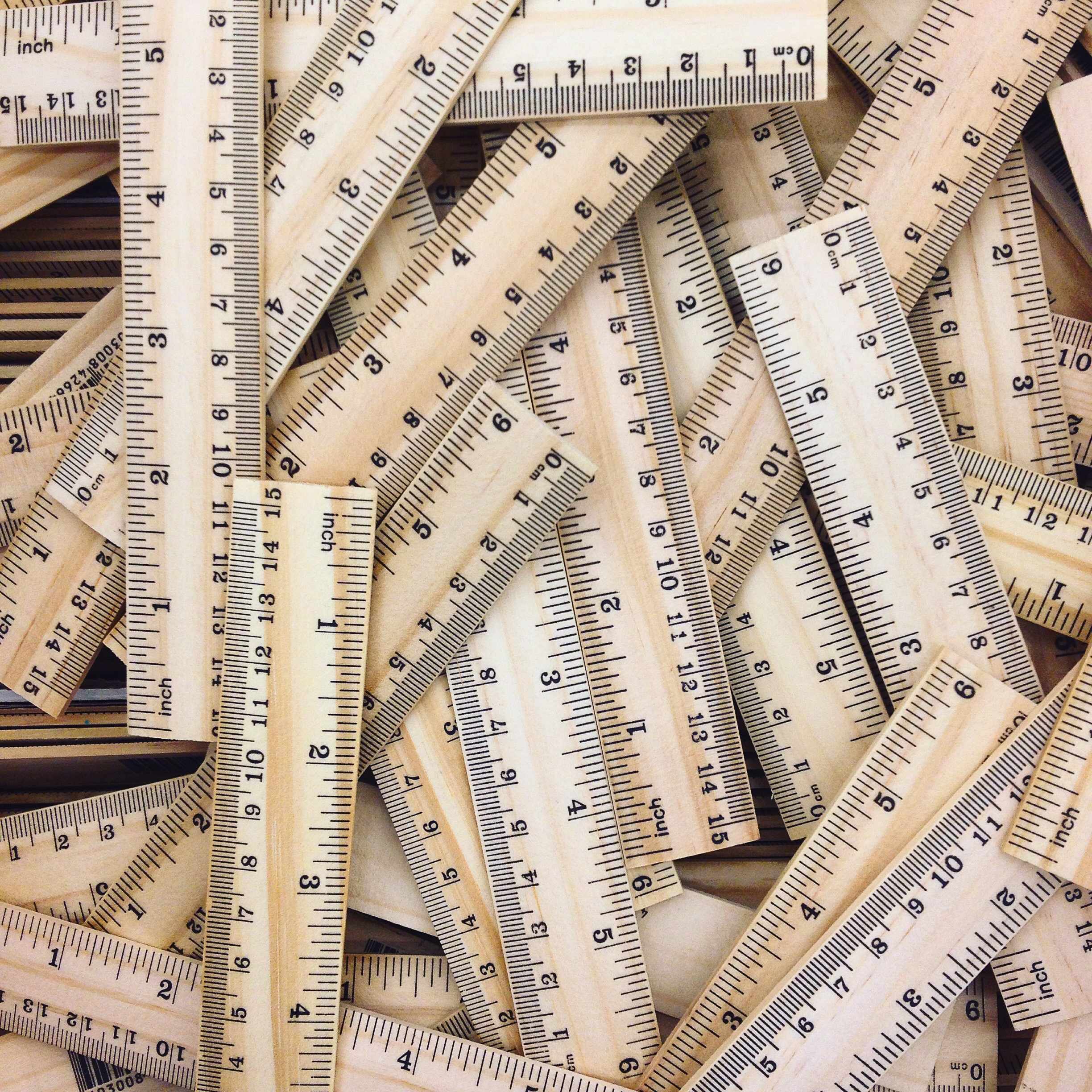
Prepare The Instrument

Repeat And Compare

Record With Context
Find A Suitable Place To Begin
Clarify the course pace, useful tools, mathematics level, and first measurement exercises.
How Measurement Understanding Develops
The course connects technical terms to familiar instruments and visible effects. Accuracy, precision, resolution, repeatability, tolerance, and uncertainty are examined through readings that can be compared rather than definitions that must simply be memorized.
Practice also includes the less obvious parts of measurement: cleaning contact surfaces, checking zero, controlling pressure, keeping alignment stable, choosing suitable units, and documenting conditions before interpreting the final result.
Instrument Selection
Match range and resolution to the feature being measured.
Controlled Technique
Keep viewing angle, contact point, pressure, and alignment consistent.
Result Comparison
Repeat readings and examine their spread instead of trusting one value.
Clear Documentation
Record units, instrument details, conditions, and suitable digits.