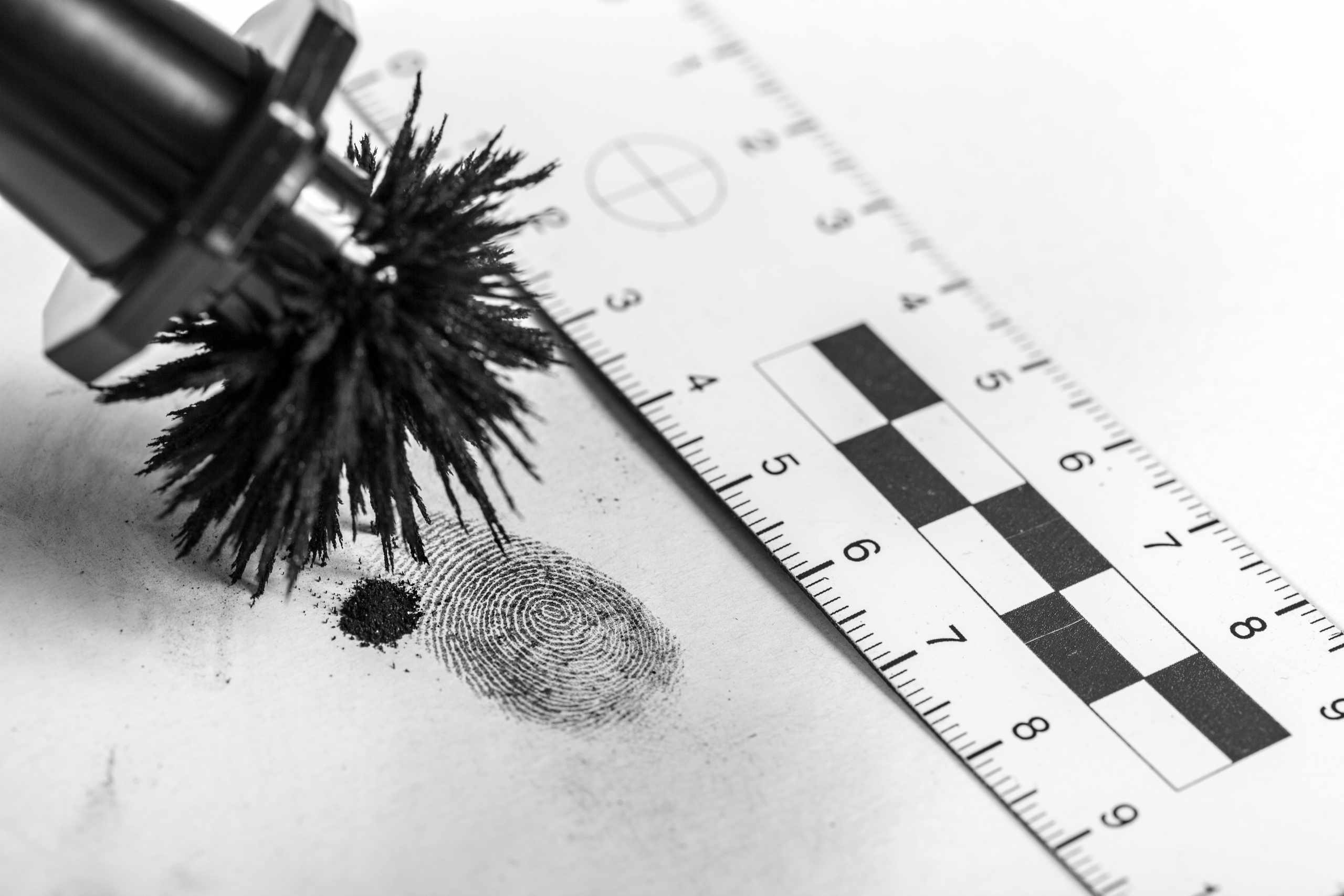
How do you know which measuring instrument is appropriate to measure the width of your notebook, the diameter of a tiny screw, or the mass of a liquid? There are a few things to consider when deciding on a measuring instrument other than which one is readily accessible. These include the measurand (what is being measured), its expected size, required resolution, whether the instrument contacts the object being measured, and any environmental factors surrounding the measurement. A steel ruler, a digital caliper, a micrometer, a laboratory balance, and a graduated cylinder all give measurements, but each is intended for a specific use.
To illustrate the distinctions between these instruments, let’s try a quick activity. Using a small rectangular object, measure the width of this object using a ruler, and also a caliper if one is available. Record both measurements including the correct units, and don’t add any extra digits beyond those provided by the scale. The ruler might be adequate when you only need to know the width approximately, to within a millimetre, whereas the caliper would allow you to detect smaller variations and would enable you to better control the position of the contact faces. Neither measurement is inherently more accurate than the other; however, each is appropriate or inappropriate for the task you intend to perform.
First, think about the expected range of values you’ll need to measure. The instrument must have a range that includes the entire value you wish to measure. A short ruler is not practical for measuring the length of a large table, but a metre-long tape measure isn’t very handy for measuring the diameter of a thin wire. However, selecting an instrument with a range that is excessively larger than the expected value might make it difficult to measure small differences. Ideally, the instrument should have a range that comfortably contains the expected value and offers useful resolution in the graduations or display.
Second, consider how much precision the measurement needs. For example, a ruler marked in millimetres might be quite fine for cutting out a piece of card, but not precise enough for measuring the hundredths of a millimetre. On the other hand, a micrometer can measure to a finer resolution, but it might be unnecessarily complex to use for a measurement of some household item where that level of precision won’t aid your decision-making. It’s only worth obtaining more digits when you can rely on the instrument, measurement procedure, and objective to support those additional digits. Don’t let a high-resolution display lead you to claim more precision than you actually possess.
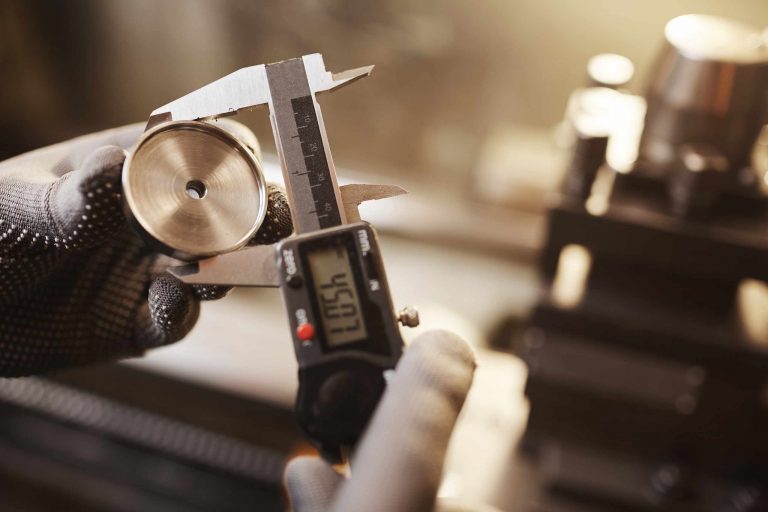
Third, consider the shape and texture of the object. In order to get a consistent reading, the jaws of a caliper must contact the object firmly and at right angles. A soft object might deform slightly under the weight of the caliper jaws, and the curved surface of a sphere might make it difficult to locate a repeatable position for the contact faces. A balance needs a level surface, and you might need to place a container on the balance pan and then tare the balance before measuring a substance. A graduated cylinder must be read at the correct meniscus and from the appropriate viewing angle. Thus, choosing an instrument also involves considering the interaction between the instrument and the measurand.
Before you accept a reading from any instrument, perform a visual inspection of the instrument. Look for the zero point, clean the relevant contact surfaces, verify that the unit on a digital display matches your expectation, and ensure there is no visible damage or instability in the display. When possible, take several measurements in succession. If the measurements vary considerably, it might be difficult to position the instrument consistently, the instrument might be too coarse for the required precision, or it might be sensitive to pressure, vibration, temperature, or surface irregularities. Such observations might prompt you to select a different instrument or a different approach.
The next time you measure something, think about what information you need before you reach for an instrument. Make an estimate of the expected value, decide on a suitable range, identify the smallest change in value you care about, and determine how the instrument will contact the object. Keep a brief note of why you chose a particular instrument next to your recorded measurements. Over time, you’ll find that instrument selection becomes less of a routine step and more of a deliberate part of the measurement process.